Florida State scientist: NOAA ignores spill findingsA prominent oceanographer, who was among the first to say official estimates understated the volume of the Gulf of Mexico oil spill, charged Tuesday that a federal agency is punishing scientists whose findings disagree with government figures.
Ian MacDonald, an oceanographer with Florida State University, who more than two weeks ago said the oil spill was likely five times as large as the 5,000 barrel-a-day estimate from the National Oceanic Atmospheric and Administration, said
the agency is attacking scientists who challenged government estimates, while itself doing little to glean new information about the spill size.
“The scientific community in the Gulf of Mexico is fairly small ... and we've been very dedicated for a long time and not only is nobody listening to us in this, but it seems like they really want us to shut up,” MacDonald said. “It's very, very punitive and anybody who is doing this is getting attacked by NOAA.”A NOAA spokesman did not address MacDonald's claims directly, but said that the agency's spill response includes scientists with key federal agencies as well as partners in the scientific community and the private sector.
80,000 barrels a day?
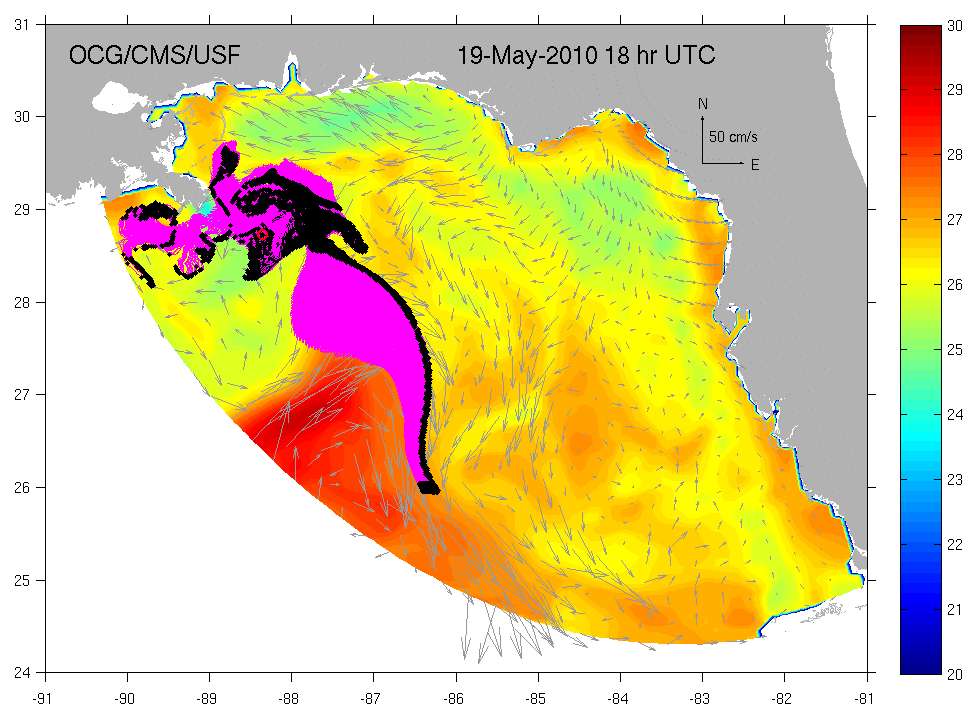
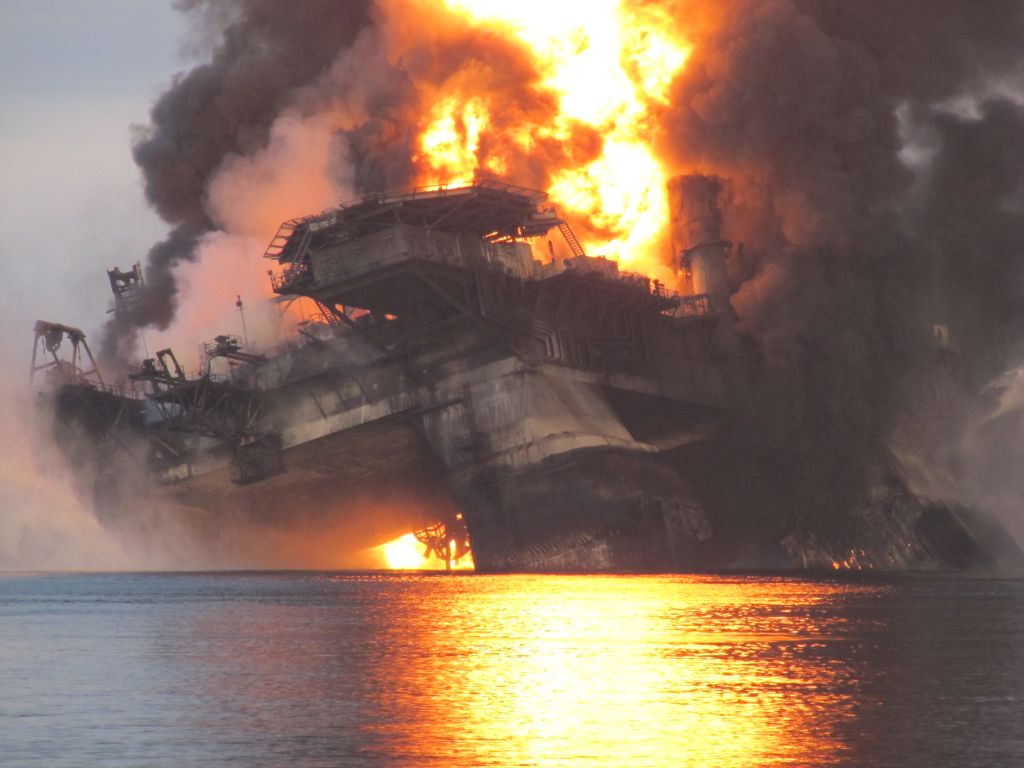
The stinging criticism comes amid debate about the size of the oil spill emanating from BP's Macondo well about 40 miles off the coast of Louisiana. An April 20 blowout in a well under 5,000 feet of water triggered the oil spill, destroyed the Deepwater Horizon drilling rig, and killed 11 workers.
Some independent scientists have made estimates that sharply depart from NOAA's estimate, which equates to 210,000 gallons a day.
Based on various models, including measurements of satellite imagery of the surface slick and an analysis of wellhead video released by BP,
some scientists estimate the volume of oil spilling from the well as 25,000 to 80,000 barrels a day.NOAA and BP have stuck with the 5,000-barrel estimate, although Interior Secretary Ken Salazar said Tuesday the government is preparing new estimates.
Oceanographers, environmentalists and government officials say knowing the true size of the oil spill is critical in determining how the spill will affect ocean and coastal ecologies, as well as the extent of clean-up costs and liabilities.
MacDonald's comments were prompted partly by a NOAA news release Monday that characterized as “misleading, premature and, in some cases, inaccurate” media reports about spill research aboard a government vessel in the Gulf
Reports this weekend quoted independent ocean scientists as saying they had discovered large underwater plumes of oil suggesting the scope of the spill could be bigger than estimated based on the surface area of the slick.
MacDonald said NOAA hasn't substantiated its own estimate, leading MacDonald to assume it “was just made up — literally in the middle of the night.”Lawmakers have scheduled a subcommittee hearing today to investigate the scope of the spill.
Scientists to testify
Several scientists, including Steve Wereley, a professor of mechanical engineering at Purdue University, who made headlines last week after estimating the well could be pumping out as much as 80,000 barrels a day, will testify and examine new video of the leak BP released Tuesday.
As holder of the federal lease containing the Macondo well, BP is responsible for capping the well and cleaning up the spill. MacDonald says NOAA and the Coast Guard should press BP harder for information to help scientists quantify the spill.
Some Houston oil and gas professionals questioned spill estimates from academics outside of the energy industry, but they said BP must have information by now that could lead to more accurate estimates.
(...)
http://www.chron.com/disp/story.mpl/bus ... 11584.html